
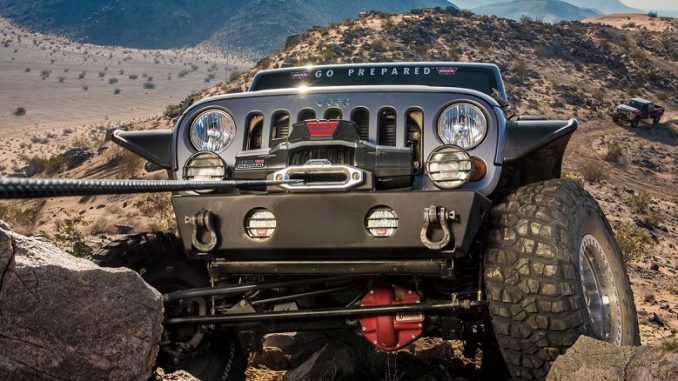
Purchasing a winch can be a daunting task especially if you are on a budget. Considering the job of a winch, which is to recover your vehicle when you are sometimes miles for civilization, you must make an educated decision as to which winch you should buy. The cost of a winch alone can vary from 300 dollars on up to well over a thousand dollars. Then you have to factor in the costs of accessories and mounting options that go along with a winch. You may even have to consider upgrades to your vehicle such as a better battery and alternator of yours are marginal. Like a fire extinguisher, you hope you never need it but when you do need to winch out of a sticky situation, you don’t want to doubt the choices you made. So it’s wise to educate yourself about the fundamentals of a winch so that you can buy the one that is best for your purpose. We hope this winch guide may help to explain the different types of winches and the components of a winch in order to help you make an educated decision with possibly one of the larger purchases for 4×4.
Major Considerations
How much Winch do you need?
Recommended winch capacity over vehicle weight. Typically manufacturers and resellers will suggest you should calculate the winch rating by taking the gross vehicle weight and multiplying it by 1.5 and that would be your minimum winch size. But this minimum rating is just that, a minimum. Certain factors can quickly cause your winch capacity to be exceeded so you need to think about your intended usage. Be aware that certain terrains and situations can put a much greater demand on a winch over the typical 1.5 multiplication rule of thumb. For instance a common cause for winching is mud. Mud however has an incredible suction force on a stuck vehicle and in many cases that 1.5 rule of thumb is far inadequate. Steep hills and frequent winching also put great demand on an electric winch. Understanding the purpose and safe use of winch accessories such as a snatch block can be invaluable when you need it most.
How Often and how hard will you probably use the winch?
This is an important factor in deciding what type of winch motor you will want to buy. Permanent magnet motors vs. series wound vs. Hydraulic winches. Each has an intended purpose. Light duty winching and a permanent magnet motor winch will do. More heavy and more frequent winching and you should consider a Series Wound winch. If you winch all day long, then consider a Hydraulic winch. We will cover all three types in the articles within this winch section.
What is your budget?
For many of us, it all comes down to available dollars and this is what is going to dictate what winch we are going to buy. Of course we’d love to get the top of the line $1500 monster winch but we have to be frugal. So for those of use on a budget, we have to decide how much money we have available. This dollar amount will have to cover the winch, the accessories and possibly a new front bumper or mounting kit. You may even have to consider installation if you are not confident about installation.
Do you have any weight or dimensional limitations or requirements?
The weight of the winch can vary somewhat. If you’re primary consideration is to keep weight down, you may want to pay attention to those specifications. More important may be the dimensions of your winch. There are many aftermarket bumpers where the winch mounts internally. Therefore size may matter. Of the many different types of winches on the market, the sizes and dimensions can vary considerably.
Solenoid mounting can be a major consideration. Winches can either have an Integrated or Remote Solenoid pack. A remote solenoid is externally mounted off of the winch. An integrated solenoid is part of the winch either within a “bridge” over the cable or mounted else where on the winch such as above the motor. There are benefits to both types of solenoid mounting options. With space restrictions a remote solenoid can reduce the space require to mount the winch itself while the solenoid can be mounted remotely while an integrated solenoid offers protection in a compact package.
Other considerations:
Warranty
Read the manufacturer’s warranty as they vary widely in warranty coverage time from a few months to years as well as what the warranty covers.
Serviceability
What if it breaks? Can you find a service center that will fix it for you or can you order parts to fix it yourself? Some of the bargain winches are not such a bargain when you have to hunt down hard to find parts especially after the warranty period.
Necessary Upgrades
With almost any upgrade to a vehicle there are usually repercussions to changing something from stock to aftermarket, whether good or bad. With the addition of a winch, the demand on your electrical system can exceed the system’s capabilities itself. Consider upgrading your alternator to a high output alternator and be sure your car battery is up to the demand of winching. For more info on Battery Tech, See this.
The following sections will hopefully help provide some answers and insight to common questions and considerations.
-
 Winch Tech
Winch Troubleshooting
-
 Winch Tech
Winch Tech – Choosing a Winch that’s Right for You
-
 Winch Tech
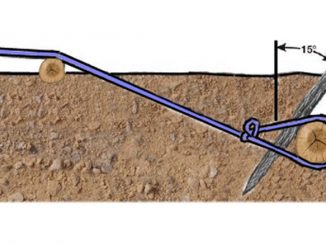
Winching Techniques – How to Dig a Dead Man Anchor
-
 Winch Tech
Winch Terminology and Phrasing Often Used with Winches and Winching Techniques
-
 Winch Tech
How to Double Your Winch Power
-
 Winch Tech
Parts of a Winch Explained – Motor Types, Gear Types, Electrical

You make a great point about making sure that you keep in mind if you have a weight specification that you want to keep a winch under if you are buying one for a car. My husband has been getting into offroading recently, and he has been looking into buying a good quality winch for his car. I will be sure to forward this article to him, so that he can get the most specific winch for his needs.
i would like to know what winch can give me line speeds of over 30 feet per minute, only pull 2000# maximum. i am winching a push mower up and down a 40 foot hill. need the speed not the power. what do you suggest?