How to Use Your Winch – ATV and Recovery Winch Safety and Techniques
By Jesse Taylor
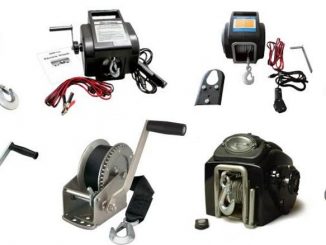
Learning how to winch out is an important off-road skill. If you’re a hardcore off-road enthusiast, no doubt you’re going to get stuck once in awhile. If you’ve got an ATV or recovery winch and know how to use it, however, you’ll be out in no time and be hitting the trail just as hard as ever.
Take your time as you rig up for the pull. Assess your situation carefully and adjust the winching process as needed. This is the best way to ensure your own safety and the safety of those around you. Every winching situation will be different, which means you need to step back and assess your situation to decide on the safest and most efficient method to use. No matter what your situation looks like, however, there are a few basic steps that apply to any pull.
Hook It Up
When you’ve chosen your anchor point and you’re ready to hook up the cable, engage the free spool and walk the cable out to the anchor point using the hook strap. Attach the rope to your anchor point. Use a tree strap or chain and a D-shackle if needed. Power in the winch to pick up any slack. Once the rope is tight, don’t straddle or step over it.
There are two types of winch line: steel and synthetic. Learn the safety and maintenance rules for the type of cable you own. Always inspect your rope before and after each use for damage or wear that could create a dangerous situation. Keep an eye out for kinks, frays, and weak areas on your rope. If you are using steel cable, throw a heavy blanket or coat over the middle of the winch line to absorb the kinetic energy of the cable in case it snaps.
Clear It Out
Clear the area of bystanders and communicate clearly with others helping in the winching process. Stand clear of the cable to the side, not directly in line with the cable. Avoid wearing loose clothing or jewelry that could catch on moving parts and create a dangerous situation. Stand as far away as your winch remote will allow, but close enough to keep a close eye on the cable as it stacks on the drum.
Winch It Out
Pull the stuck vehicle out at a slow and steady pace. If you are pulling over a long distance or for a long period of time, take a break every so often to prevent overheating. Electric winches are designed for intermittent use.
If the stuck vehicle is stable (not in danger of tipping or falling), you can give the vehicle a little gas to aid the momentum of the pull and reduce the strain on your winch. Keep the vehicle that is operating the winch running during the entire process to prevent draining the battery. You don’t want a dead battery just when you’re ready to hit the trail again!
Keep a close eye on the cable as it spools. If it starts to pile up on one side of the drum, spool out the uneven section and spool it in even rows onto the drum. If the cable piles up too high on one side, it can get caught in the winch housing and damage your winch or rope. This is most likely to happen on angle pulls, so choose an anchor point that allows you to make a straight-line pull, which will help to guide the rope directly into the drum.
Spool It In
When you have recovered the stuck vehicle, spool the rest of the cable hand over hand. Wear heavy duty leather gloves to protect your hands from burrs. If you plan to use your winch later in the day, you can also loop the spooled-out cable over your bumper, making sure it’s secure enough to stay in place over rough terrain.
© Gorilla Winches. You Want In? We’ll Get You Out. Get a limited lifetime warranty and free shipping on all Gorilla ATV and recovery winches and accessories at http://www.gorillawinches.com
Article provided by Gorilla Winches. Visit them on the web at http://www.gorillawinches.com.
Learn more about off-road safety and winching techniques at the Gorilla Blog
Note About Gorrilla Winches: The Gorrilla Winch Company became Promark Offroad. Promark Offroad had gone out of business years ago.