
Whether you are shopping for a new fuel efficient car or just trying to maximize the range of your current car, you can take some steps to get the best mileage out of your gas purchases. The Federal Trade Commission (FTC), the nation’s consumer protection agency, offers tips to use for improved fuel efficiently.
Drive Less
This is one of those common sense suggestions. We’ll jump in the car or truck to drive half a block down to the locate convenience store to get a pack of gun or a soda. We just hop in the car and go. But if you stop and think about it for a moment, you’ll realize you there are lots of good alternatives. Walking or biking are great alternatives. Not only will you save the gas but it’ll help you to be healthier and live longer! While you’re at it, take the dog. He’s getting a little thick around the mid-section too.
Driving Habits
Reduce your speed. Gas mileage decreases rapidly at speeds above 60 miles per hour due to the amount of energy required to push through the air. Reducing your speed helps improve gas mileage considerably.
Anticipate traffic conditions and drive “gently”. Hard acceleration, aggressive driving and “jackrabbit” starts and stops reduce gas mileage by up to 10%. You can improve your gas mileage around town by driving more sensibly from stop light to stop light.
Avoid unnecessary idling. It wastes fuel, costs you money, and pollutes the air. Turn off the engine if you anticipate a wait.
Combine errands. Several short trips taken from a cold start can use twice as much fuel as one trip covering the same distance when the engine is warm.
Use overdrive gears and cruise control when appropriate. They improve the fuel economy of your car when you’re driving on a highway.
Remove excess weight from the trunk. An extra 100 pounds in the trunk can reduce a typical car’s fuel economy by up to two percent.
Avoid packing items on top of your car. A loaded roof rack or carrier creates wind resistance and can decrease fuel economy by five percent.
Maintain Your Car
Keep your engine tuned. Tuning your engine according to your owner’s manual can increase gas mileage by an average of four percent. Increases vary depending on a car’s condition.
Keep your tires properly inflated and aligned. It can increase gas mileage up to three percent by reducing drag.
Change your oil. According to the U.S. Department of Energy (DOE) and Environmental Protection Agency (EPA), you can improve your gas mileage by using the manufacturer’s recommended grade of motor oil. Motor oil that says “Energy Conserving” on the performance symbol of the American Petroleum Institute contains friction-reducing additives that can improve fuel economy.
Check and replace air filters regularly. Replacing clogged filters can increase gas mileage up to ten percent.
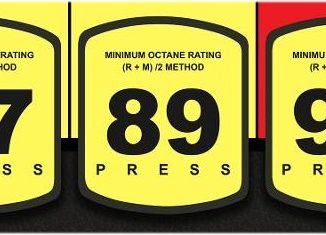
Use the Octane Level You Need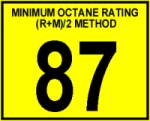 Your owner’s manual recommends the most effective octane level for your car. For most cars, the recommended gasoline is regular octane. In most cases, using a higher octane gas than the manufacturer recommends offers no benefit. Unless your engine is knocking, buying higher octane gasoline is a waste of money.
Check Out Claims About “Gas-Saving” Gadgets
Be skeptical of claims for devices that will “boost your mileage by an extra 6 miles per gallon,” “improve your fuel economy up to 26 percent,” or the like. EPA has tested over 100 supposed gas-saving devices — including mixture “enhancers” and fuel line magnets — and found that very few provide any fuel economy benefits. The devices that work provide only marginal improvements. Some “gas-saving” devices may damage a car’s engine or increase exhaust emissions. For more information and a full list of tested products, check www.epa.gov/otaq/consumer.htm.
Buy a More Fuel Efficient Vehicle
Considering a change in vehicles? Consider this: Suppose you can increase the MPG your daily driver gets by 10 MPG and you drive an average of 20,000 miles in a years time. When gas reaches 5 dollars a gallon that will equate to a saving of over a thousand dollars a year.
When it comes to driving to work and around town, horsepower is over rated. It boggles the mind that while gas prices spike to record highs every other week, the car commercials on TV boast about the horsepower. Only until recently did you hear a peep about the MPG the vehicles gets. Probably because they were too embarrassed if they told you.
What about towing your trailer or boat to the lake? When you need a large vehicle for towing rent one. You won’t have the huge monthly payment not to mention the insurance cost or maintenance costs to deal with either.
Consider the Alternatives
Alternative Fuel Vehicles (AFVs) operate on alternative fuels, such as methanol, ethanol, compressed natural gas, liquefied petroleum gas, electricity, and others designated by the DOE. Using these alternative fuels in vehicles may reduce harmful pollutants and exhaust emissions. FTC Rules require labels on all new AFVs to give the vehicle’s estimated cruising range and general descriptive information. Find out how many miles a new AFV travels on a tank or supply of fuel because, gallon for gallon, some don’t travel as far as gasoline-powered vehicles.
Hybrid Electric Vehicles offer another option for car buyers. According to DOE and EPA, these vehicles combine the benefits of gasoline engines and electric motors and can be configured to achieve different objectives, such as improved fuel economy and increased power.
For more information on alternative fuel vehicles, call the DOE’s toll-free National Alternative Fuels Hotline, 1-800-423-1DOE, or visit DOE’s Alternative Fuels Data Center website at www.afdc.doe.gov. More information about both hybrid-electric and alternative fuel vehicles is at www.fueleconomy.gov/.
For more energy saving tips for cars, click here to visit the DOE’s website. The FTC works for the consumer to prevent fraudulent, deceptive, and unfair business practices in the marketplace and to provide information to help consumers spot, stop, and avoid them. To file a complaint or to get free information on consumer issues, visit ftc.gov or call toll-free, 1-877-FTC-HELP (1-877-382-4357); TTY: 1-866-653-4261. The FTC enters Internet, telemarketing, identity theft, and other fraud-related complaints into Consumer Sentinel, a secure, online database available to hundreds of civil and criminal law enforcement agencies in the U.S. and abroad.